
Parasite Destruction and Raw Fish Safety: What Buyers Should Know
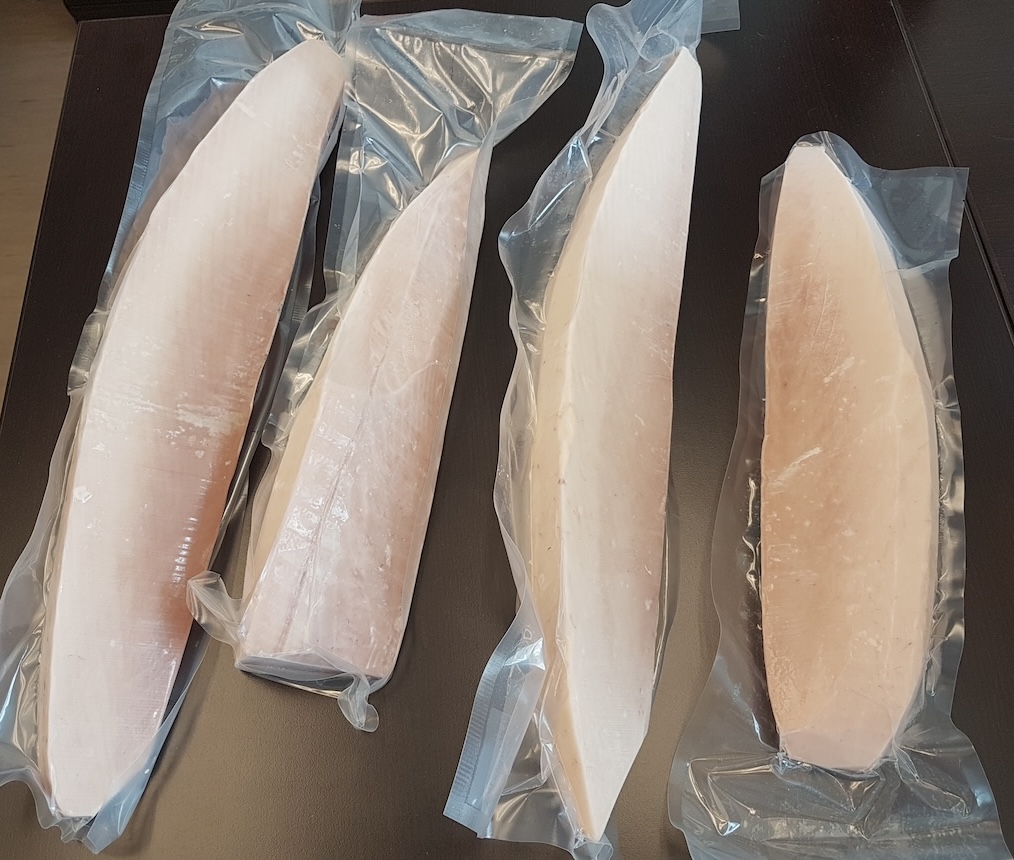
Raw fish has become a major part of today’s seafood business, from sushi and sashimi to poke, crudo, and premium ready-to-eat seafood programs. For chefs, distributors, retailers, and foodservice buyers, the question is not only whether fish looks good, but whether it has been handled under a documented food safety program suitable for raw consumption.
One of the main concerns with raw or undercooked fish is naturally occurring parasites. These are not the same as spoilage bacteria, and they are not necessarily a sign of poor quality. Wild fish live in complex marine food chains, and some may carry parasites as part of their natural life cycle. The concern for human health arises when viable parasites remain in fish that is eaten raw.
The parasites most commonly discussed in raw fish safety include nematodes, often called roundworms, such as Anisakis and Pseudoterranova; cestodes, or tapeworms, such as Diphyllobothrium species; and, in some regions and species, trematodes, or flukes. Anisakis is particularly associated with marine fish and squid and can cause gastrointestinal illness if live larvae are consumed. Tapeworm risk is more often associated with certain freshwater or anadromous fish, including some salmonid species. For this reason, parasite controls are especially important when fish is intended for sushi or other raw ready-to-eat uses.
The accepted control method for many raw fish products is freezing to a validated time and temperature standard. Commonly recognized parasite destruction options include freezing and storing fish at -20°C or below for seven days; freezing at -35°C or below for 15 hours; or freezing at -35°C until solid and then holding at -20°C or below for 24 hours. The key point for buyers is that the temperature must be achieved throughout the product, and the process must be documented.
It is also important to understand the tuna category. Larger tuna species are commonly treated differently in raw fish guidance because they are generally recognized as having a lower parasite hazard than many other wild fish species. Species often listed as exempt from mandatory freezing requirements include albacore, yellowfin or ahi, bigeye, bluefin, blackfin, and northern bluefin tuna. That does not mean tuna has no food safety concerns. Tuna remains a scombroid species, meaning time and temperature abuse can create histamine risk. Freezing may control parasites, but it does not reverse histamine formation. Proper cold-chain control, receiving checks, supplier approval, and traceability remain essential.
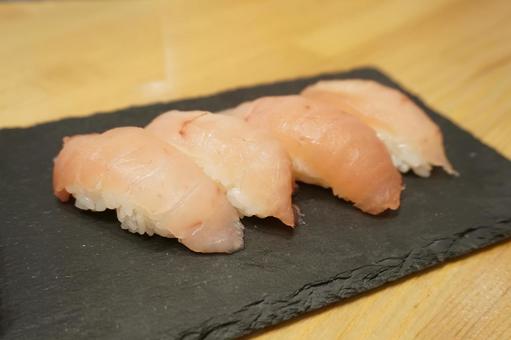
When discussing “which tuna has the most parasites,” the better answer is that parasite risk is not usually managed by ranking tuna species alone. Risk depends on species, harvest area, fish size, diet, handling, trimming, inspection, and whether the fish has been properly frozen. In general, parasite controls are a greater concern for many wild marine and anadromous fish than for the larger commercial tuna species. However, prudent buyers should still request written documentation, especially when purchasing product for sushi, poke, or raw ready-to-eat applications.
This is where supplier controls matter. Smokey Bay Seafood supplies frozen albacore tuna loins under a documented parasite destruction program for sushi and raw applications. The company confirms that its frozen tuna is held at -20°C or below for not less than seven days, with production controls that include deep freezing to -35°C or below until solid, followed by frozen storage. Finished inventory is maintained frozen, and product held at third-party cold storage is kept at temperatures that meet or exceed the recognized parasite destruction requirement.
For B2B seafood buyers, the takeaway is simple: raw fish safety is not a marketing claim. It is a control system. Ask for species identification, lot traceability, freezing records or supplier guarantee, cold-chain handling, and appropriate laboratory or specification documents. A reliable supplier should be able to provide these materials clearly and consistently.
Smokey Bay Seafood understands the expectations of sushi, poke, foodservice, and distribution customers. By combining responsible sourcing, documented freezing controls, technical specifications, and traceable lot records, Smokey Bay helps customers offer raw fish products with confidence.

Patrick Warren is the founder of Smokey Bay Seafood Group, which has been in continuous operation since 1998. He has extensive experience in the seafood industry, including work in both shellfish aquaculture – manila clam, pacific oysters, and wild fisheries such as dungeness crab, geoduck, wild salmon, and crustaceans. He has developed long lasting export programs to Asia, Europe, and North America. Patrick’s career also includes collaborative projects with tribal and First Nations communities and expertise in aquaculture feeds such as krill and algae production. He holds a postgraduate degree in geography and environmental planning. Additionally, Patrick is the majority shareholder of Sebastian Stuart LLC a legacy dock and pier in Anacortes, Washington, and the founder of Eldorado Square in New Denver, BC. He also served as Park Board Commissioner for Vancouver, BC at a time that significant decisions were made for the city’s parks, aquarium, sea wall, and community centers.