Smooth Borders Start with Clean Paperwork: Why Live Oyster Import Documents Matter
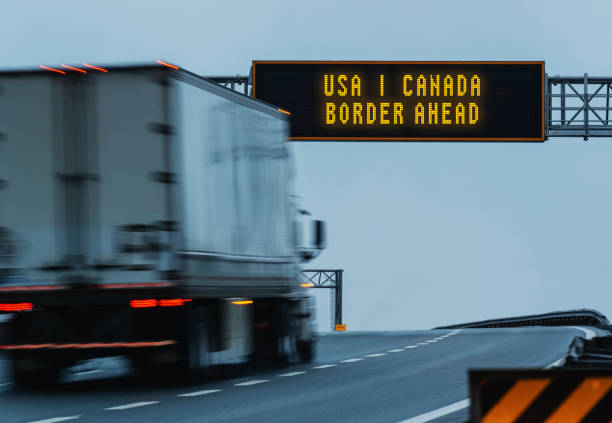
In the live shellfish business, freshness, temperature control, and logistics are always top of mind. But there is another factor that can determine whether a shipment moves smoothly across the Canada–USA border: paperwork.
For live oysters moving into the United States, the documents must tell the same story as the shellfish tags. When the information on the invoice, customs documents, bill of lading, health documentation, and shellfish tags does not line up, the shipment can be delayed, held for review, or placed under additional regulatory scrutiny. In a time-sensitive live seafood supply chain, even a short delay can create unnecessary risk, cost, and uncertainty for buyers and sellers.
Live oysters are not ordinary freight. They are a regulated food product, a perishable product, and a shellfish product subject to specific public health controls. Every carton or bag of oysters must remain traceable back to the approved harvest area, certified dealer, packing date, and shellfish control authority. The tag is the foundation of that traceability. It identifies where the product came from, who handled it, and how it entered commerce.
The supporting commercial documents must reinforce that same chain of custody. If the shellfish tag identifies one certified shipper or packer, but the customs invoice shows another party as the shipper, the result can create confusion for import officials. Even if the product itself is safe, legal, and properly handled, inconsistent documentation may make it appear as though the shipment has moved through an unapproved or unclear channel.
For importers, distributors, wholesalers, and foodservice buyers, this matters. A paperwork discrepancy can trigger questions from U.S. Food and Drug Administration, customs brokers, state shellfish control authorities, or other agencies involved in import review. Product may be placed on hold pending clarification. Additional documents may be requested. Buyers may be unable to release or distribute the product until the issue is resolved.
The best way to avoid these problems is to build a disciplined document review process before the truck leaves the dock.
At a minimum, live oyster export documentation should be checked to confirm that:
- the product description matches the actual product;
- the species, quantity, and pack size are consistent across documents;
- the shellfish tags are complete, legible, and attached to the product;
- the certified dealer or packer information matches the tags;
- the invoice, bill of lading, and customs invoice identify the correct parties;
- the buyer, consignee, and importer of record are accurately listed;
- certification numbers are included where required;
- the product is moving through approved and traceable channels.
This review may seem routine, but it is essential. In cross-border seafood trade, small administrative errors can become large operational problems. A wrong shipper name, missing certification number, inconsistent address, or mismatch between tag and invoice can slow down the entire process.
Smokey Bay Seafood understands this environment because we work in it every day. Moving live oysters and other seafood products between Canada and the United States requires familiarity with multiple regulatory bodies and systems on both sides of the border. Depending on the shipment, this may involve Canadian suppliers, the Canadian Food Inspection Agency, U.S. Food and Drug Administration, U.S. Customs and Border Protection, state shellfish control authorities, customs brokers, carriers, receivers, and certified shellfish dealers.
Our role is not simply to sell seafood. It is to help make sure the product, paperwork, logistics, and regulatory expectations align. That means understanding the importance of shellfish tags, maintaining traceability, working with certified partners, and helping customers navigate questions when they arise.
For B2B buyers, the benefit is confidence. When documentation is prepared correctly, live oyster shipments are more likely to move efficiently through the import process, arrive on schedule, and remain available for timely sale. When the paperwork is clear, regulatory officials can more easily verify the product’s source and status. When the chain of custody is properly documented, everyone in the supply chain is better protected.
In the live seafood business, quality begins at the source — but successful delivery depends on every step that follows. Proper paperwork is part of product quality. It protects the buyer, the seller, the carrier, and the end customer.
Eat Oysters, live and love longer.

Patrick Warren is the founder of Smokey Bay Seafood Group, which has been in continuous operation since 1998. He has extensive experience in the seafood industry, including work in both shellfish aquaculture – manila clam, pacific oysters, and wild fisheries such as dungeness crab, geoduck, wild salmon, and crustaceans. He has developed long lasting export programs to Asia, Europe, and North America. Patrick’s career also includes collaborative projects with tribal and First Nations communities and expertise in aquaculture feeds such as krill and algae production. He holds a postgraduate degree in geography and environmental planning. Additionally, Patrick is the majority shareholder of Sebastian Stuart LLC a legacy dock and pier in Anacortes, Washington, and the founder of Eldorado Square in New Denver, BC. He also served as Park Board Commissioner for Vancouver, BC at a time that significant decisions were made for the city’s parks, aquarium, sea wall, and community centers.